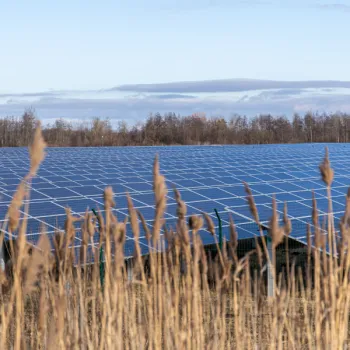
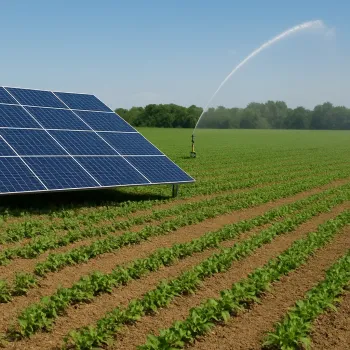
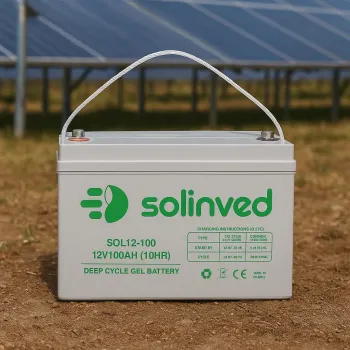
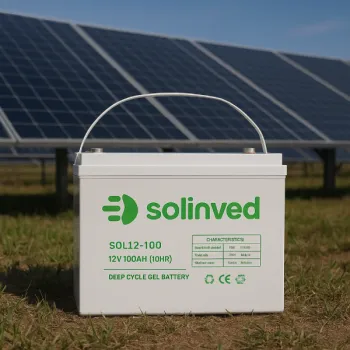
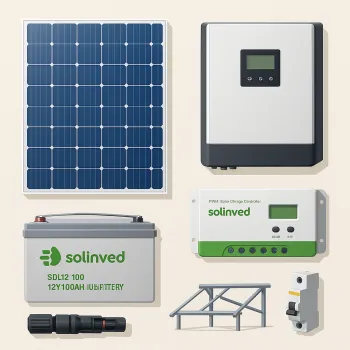
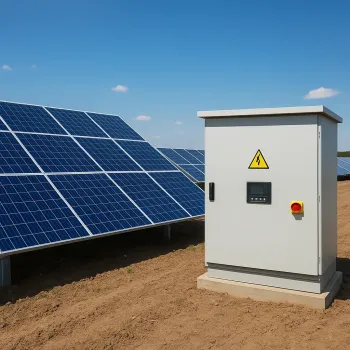
The term "inverter", which we often hear in energy systems, is a vital component in all renewable energy applications, especially in solar energy systems. While the vast majority of modern electrical devices operate on alternating current (AC), sources such as solar panels produce direct current (DC). Inverters come into play to ensure compatibility between these two different types of current. In this article, we will discuss in detail the role of the inverter in solar energy-based systems, its working principle and why it is of critical importance.
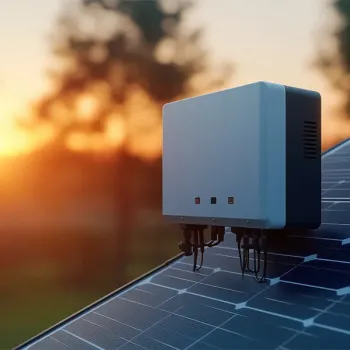
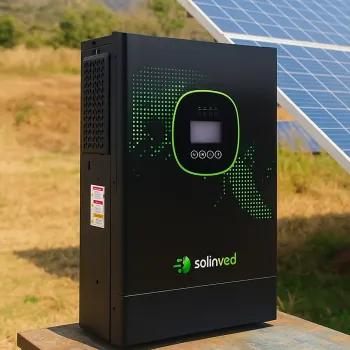
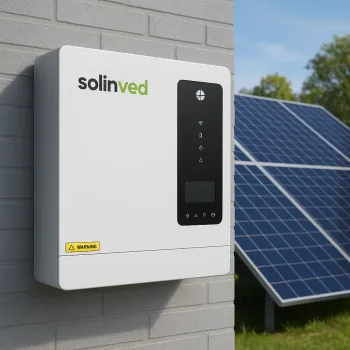
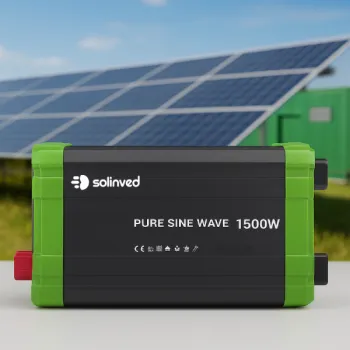
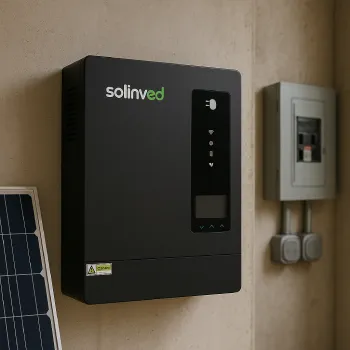
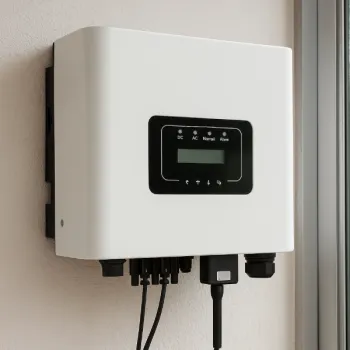
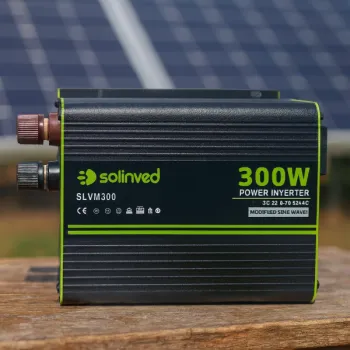
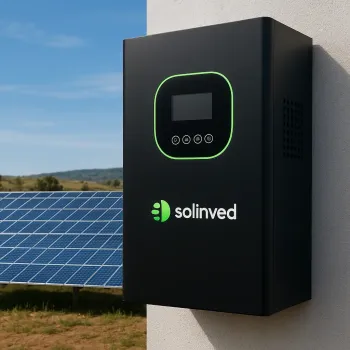
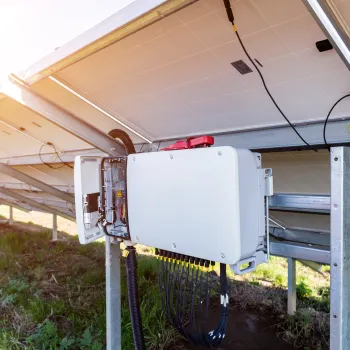
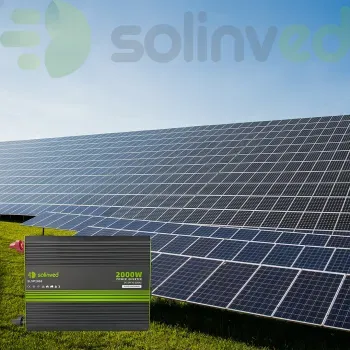
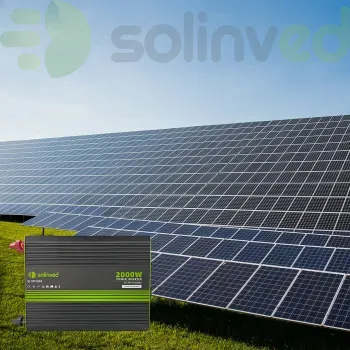
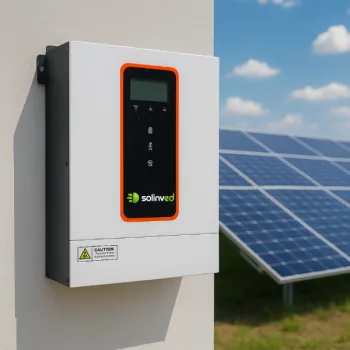
An inverter is an electronic device that converts direct current (DC) obtained from solar panels into alternating current (AC) used in homes and workplaces. It is possible for solar energy systems to be compatible with AC-powered devices thanks to the inverter.
Inverters do not only perform energy conversion; they ensure that the system operates efficiently, safely and sustainably. They also enable you to track energy production data, work in harmony with the grid and optimize energy consumption.
Areas of Use in Solar Energy Systems:
Solar inverters perform a multi-stage process to make DC electricity from solar panels suitable for homes or the grid:
Stages:
During this process, inverters constantly monitor the production of solar panels with MPPT (Maximum Power Point Tracking) technology and try to provide the highest efficiency.
Inverters specially designed for solar energy systems are divided into 3 main groups:
a) On-Grid (Grid Connected) Inverters
b) Off-Grid (Independent from the Grid) Inverters
c) Hybrid Inverters
Inverter can be defined as the brain of a solar energy system. Its function is not limited to just making electricity conversions. Here are its main functions:
Solar inverters are one of the most critical components of solar energy systems. They not only convert energy, but also manage the efficiency, safety, and sustainability of the entire system. Which inverter to choose; should be determined according to the capacity of the system, the location where it will be installed, the network status and the energy needs.
Choosing the right inverter is the key to getting the maximum benefit from your solar energy investment. Therefore, the correct analysis should be done before the investment and the inverter that suits the system requirements should be preferred.